


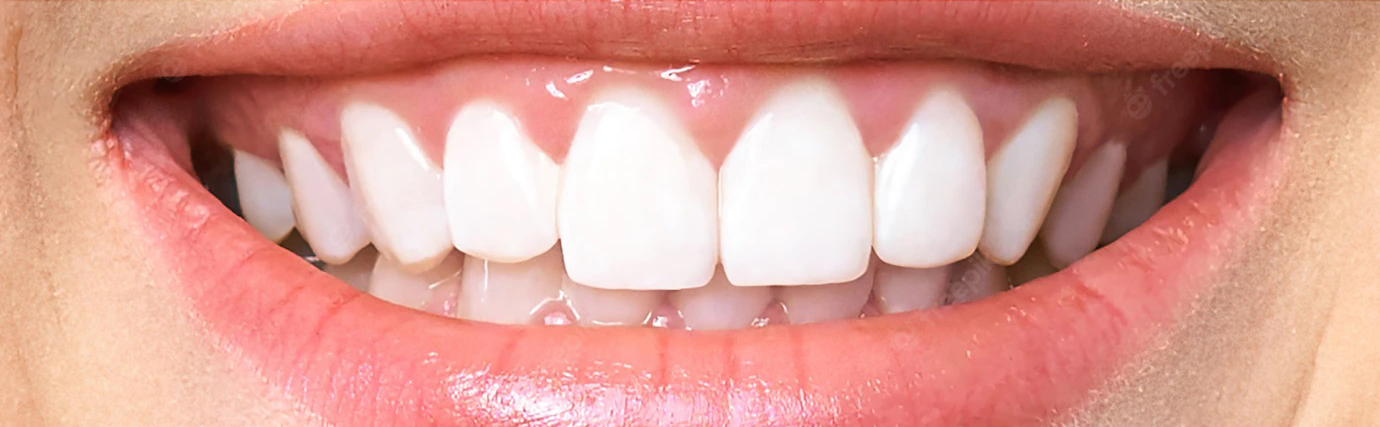
What is Lamina Tooth?
Lamina teeth, also known as laminated veneers or leaf teeth, are very thin porcelain veneers applied to the front surface of the teeth. Used for aesthetic purposes, these veneers are designed to correct the color, shape or size of the teeth. While giving the teeth a natural appearance, it provides an aesthetic smile with minimal intervention. In İlkay Dental Clinic, this procedure is carefully performed by our experienced dentists and is frequently preferred within the scope of smile design.
Who is Lamina Tooth Applied to?
Lamina dental treatment is applied to people who have aesthetic concerns and have mild shape, color or position disorders in their teeth. Suitable candidates are:
- Those with tooth discoloration (for example, stains that do not improve with whitening).
- People with slight gaps between their teeth.
- Those with slightly crowded or uneven teeth.
- Cracks or wear on the enamel.
- Those who want a more aesthetically pleasing smile. However, people with severe gum disease, severe tooth decay or excessive clenching (bruxism) should first treat these problems. In addition, there must be sufficient tooth enamel for lamina tooth application.
How Long Does Lamina Tooth (Leaf Tooth) Treatment Take?
Lamina dental treatment is usually completed in 2-3 sessions and the total duration varies between approximately 7-14 days. The process proceeds as follows:
- First session: The teeth are measured, treatment planning is made and a minimal abrasion (0.3-0.5 mm) is performed on the tooth surface. This session usually lasts 1-2 hours.
- Laboratory phase: Laminates are prepared in the laboratory according to the tooth measurements. This process can take 5-10 days.
- Second session: The prepared laminates are bonded to the teeth. This process takes approximately 1-2 hours. If gum treatment or other preliminary preparation is required, it may take a little longer. At İlkay Dental Clinic, this process is meticulously managed with the comfort and satisfaction of our patients in mind.
Are Lamina Veneers Harmful?
Lamina veneers are not harmful when applied correctly and applied to suitable patients. There is minimal intervention to the tooth enamel, so the natural structure of the tooth is largely preserved. However:
- Poor quality material or a bad application can reduce the durability of the veneers.
- If gum health is not good, complications (e.g. gingivitis) can occur after lamination. Therefore, it is important to have the procedure performed by an experienced dentist and to follow up with regular check-ups.
Does the tooth under the veneer decay?
Tooth decay under lamina veneers is very rare with proper application and good oral hygiene. The veneers adhere firmly to the tooth surface and usually provide a seal. However:
- If the edges of the veneers do not fit well, plaque can build up in these areas and the risk of caries can increase.
- Poor oral hygiene can lead to caries formation. Therefore, regular brushing, flossing and routine dental check-ups minimize the risk of cavities.
Do Lamina Veneers Cause Gum Recession?
Lamina veneers do not cause gum recession when applied correctly. However, gum problems can be seen in the following cases:
- If the veneers are not properly placed on the gingival margin, it may cause gingival irritation.
- If existing gum diseases are not treated before treatment, this condition may progress and recession may occur. Regular dental check-ups and good oral care can prevent the risk of gum recession.
Will Veneers Fall or Break?
Lamina veneers are highly durable when made of high-quality porcelain material and applied with the right technique. However:
- Habits such as biting hard foods, brushing too hard or clenching teeth can cause the veneers to break.
- Veneers rarely fall off, usually when there is an error in the bonding process or if the adhesive bond weakens over time. To reduce the risk of breakage or falling off, you should pay attention to oral care as recommended by your dentist and avoid hard foods.
Are Teeth Reduced Too Much During Lamina Veneers?
A very small amount of abrasion is done on the teeth for laminate veneers, usually between 0.3-0.7 mm. This is quite minimal compared to other types of veneers (for example, full porcelain crowns). In some cases, depending on the condition of the tooth, lamina can be applied without any abrasion at all. After examining your teeth, your dentist will determine how much abrasion is required. The aim is to preserve the natural structure of the tooth as much as possible.
Are Lamina Veneers Suitable for Patients with Problems Such as Teeth Clenching?
The application of lamina veneers should be carefully evaluated in patients with teeth clenching (bruxism). Teeth clenching can put excessive pressure on the laminae and increase the risk of fracture. However:
- If there is a mild clenching problem, the laminae can be protected by using a night plate.
- In case of severe bruxism, this habit should be controlled first and then laminae should be considered. Your dentist will recommend an appropriate treatment plan after evaluating your oral structure and the degree of your clenching habit.
Comments are closed